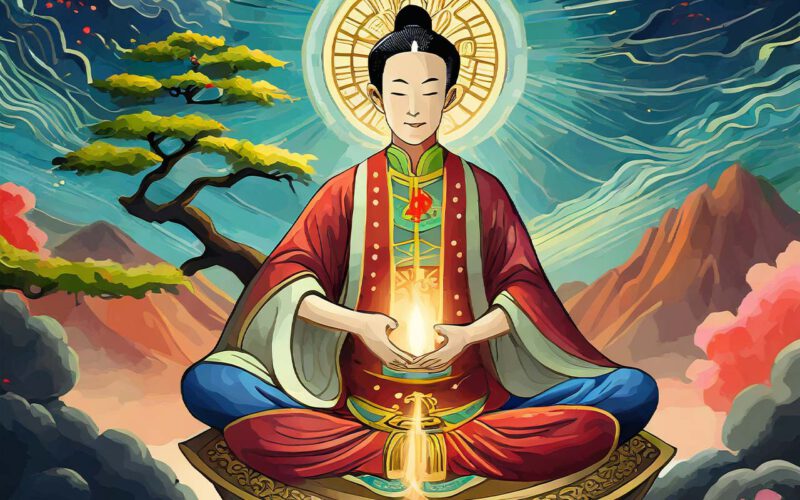
We live in a world that celebrates doing — moving, achieving, creating. And while practices like Tai Chi, Qigong, and yoga beautifully cultivate the flow of chi through movement, there is one practice that is equally profound, yet often overlooked: sleep.
In the philosophy of Traditional Chinese Medicine (TCM), sleep is not passive. It is an active, restorative process during which the body draws inward, repairs itself, and replenishes its vital life force energy — chi. Without sufficient, high-quality sleep, even the most dedicated meditation or Qigong practice cannot fully compensate for the energetic deficit we accumulate.
What Happens to Chi While You Sleep?
According to TCM, the hours between 11 pm and 3 am are particularly important for the liver and gallbladder — organs responsible for the smooth flow of chi throughout the body. During deep sleep, the liver detoxifies the blood and processes emotional residue from the day, while chi consolidates in the body’s core, ready to be distributed anew come morning.
When we consistently deprive ourselves of sleep, or sleep at irregular hours, this natural restoration cycle is interrupted. The result? Chi stagnation — a dull, heavy feeling; a scattered mind; and a body more susceptible to illness and emotional imbalance.
The Connection Between Deep Sleep and Energy Flow
Modern science increasingly supports what ancient traditions have long known. During deep (slow-wave) sleep and REM sleep, the brain flushes out metabolic waste through the glymphatic system, neurons consolidate memories, and the body releases growth hormones essential for cellular repair. In energetic terms, this is chi renewal at its most fundamental level.
Think of it this way: just as meditation clears energetic blockages while you are awake, deep sleep dissolves the energetic debris that accumulates throughout the day — stress, tension, unprocessed emotions — allowing chi to move freely again.

Signs That Your Chi Is Depleted from Poor Sleep
- Persistent fatigue, even after resting
- Brain fog and difficulty concentrating
- Emotional reactivity — feeling irritable or easily overwhelmed
- Physical tension, especially in the neck and shoulders
- Weakened immunity and frequent minor illness
- Disconnection — a sense of being “not quite yourself”
Creating the Conditions for Restorative Sleep
Chi flows most freely in an environment of calm, safety, and natural rhythm. Here are practices — rooted in both ancient wisdom and modern sleep science — to help you create truly regenerative nights:
1. Honour the Natural Rhythm
TCM aligns health with the natural cycles of the sun and moon. Going to bed before midnight and rising with the sun supports the body’s internal clock and honours the liver’s peak restoration window. Even a small shift — going to bed 30 minutes earlier — can have a noticeable effect on your morning energy.
2. Wind Down With Intention
The hour before sleep is a sacred transition. Swap screens for a short breathing or meditation practice. Even five minutes of slow, diaphragmatic breathing signals the nervous system to shift from doing to being, allowing chi to settle gently inward.
3. Create a Sleep Sanctuary
Your bedroom environment directly influences chi flow. Keep the space cool, dark, and free of clutter. In Feng Shui — the art of harmonising energy in living spaces — a tidy, calm bedroom supports the unobstructed flow of chi and signals the body that it is safe to fully let go.
4. A Simple Evening Qigong Practice
Gentle Qigong movements before bed — such as slow spinal twists, gentle shaking of the limbs, or the “holding the moon” posture — help release the day’s accumulated tension from the meridians and ease the body into receptive stillness. Five to ten minutes is enough.
5. Mindful Eating in the Evening
Heavy meals, alcohol, and stimulants disrupt the liver’s nightly restoration work. Opt for light, warm, easily digestible foods — soups, steamed vegetables, herbal teas like chamomile or valerian. These support, rather than burden, the body’s night-time chi renewal.
Sleep as a Spiritual Practice
Perhaps the deepest invitation that sleep offers is this: the practice of letting go. In a culture that equates worth with productivity, choosing rest is a quiet act of trust — trust that the universe continues without your vigilance, that chi knows how to restore itself, and that you are enough simply by being.
Chi, after all, permeates and accompanies everything that exists and happens. Even — and perhaps especially — in stillness.
Further Exploration
- Enhancing Chi Flow Through Meditation: A Pathway to Inner Balance and Vitality
- Enhancing Chi Flow Through Physical Exercise: A Holistic Approach to Wellness
Rest well. Your chi will thank you.